Spring Walk
Date:
2026
Deliverables:
- UX Design
- Visual Identity
Overview:
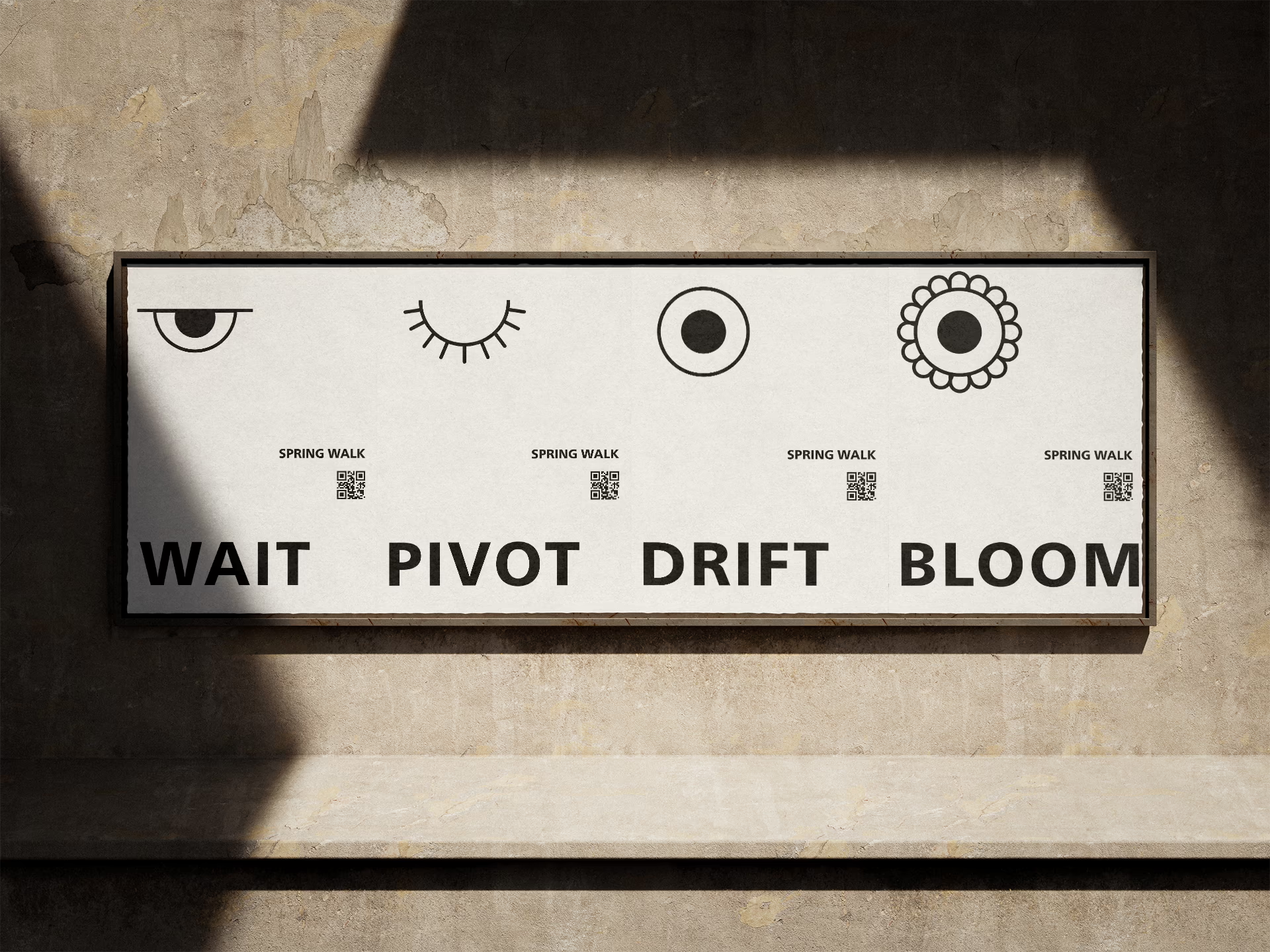
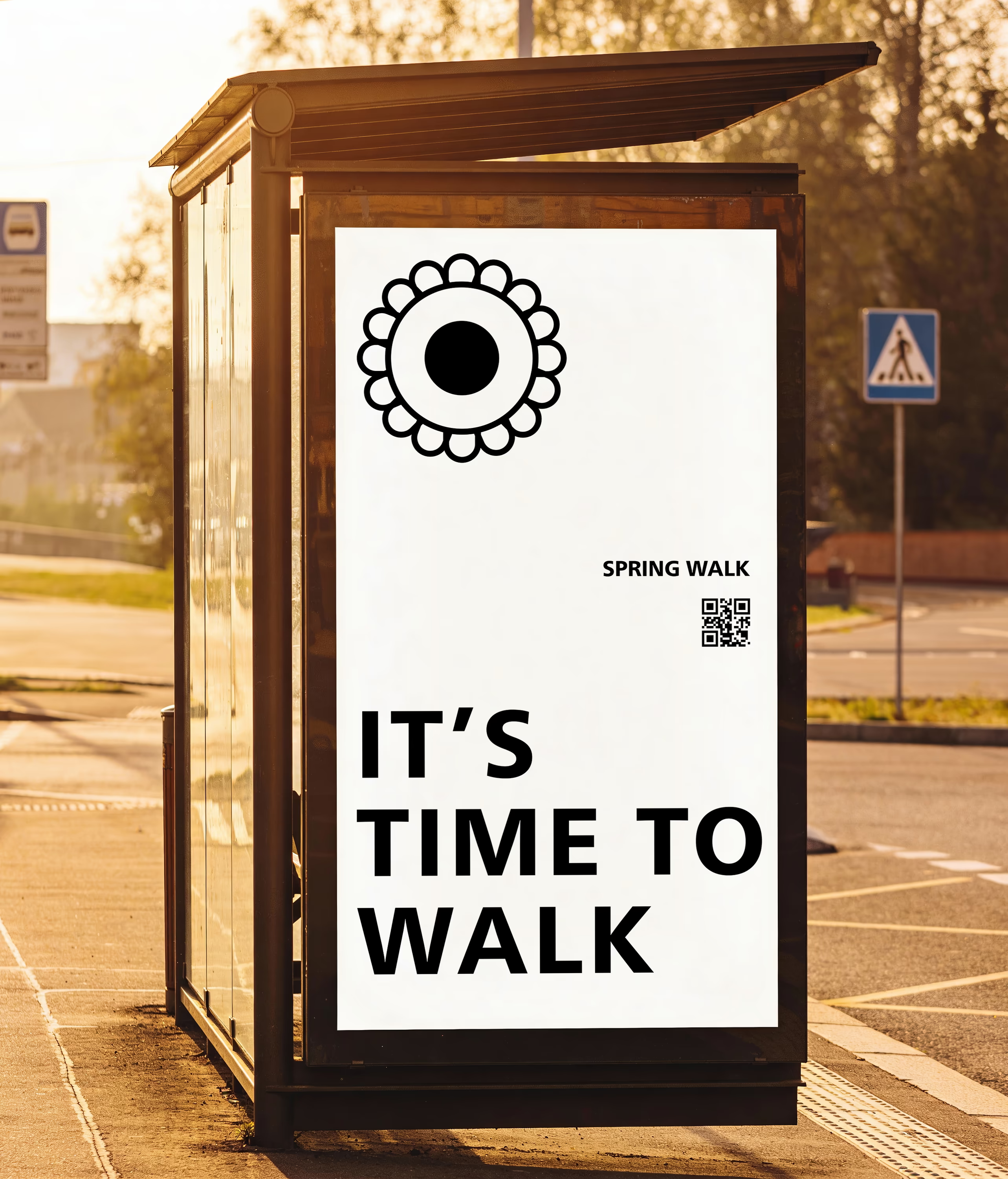
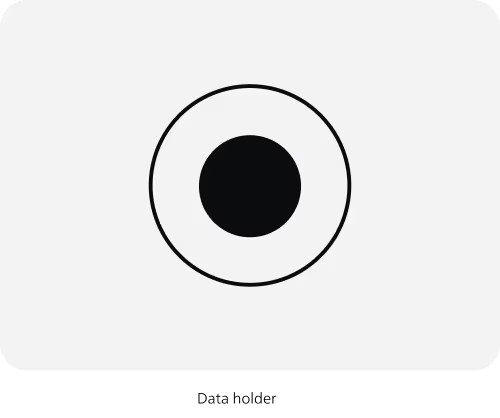
Spring Walk is a drifting app aimed at car-centric places, where walking becomes a secondary action. The app lets users explore and find either generic or specific locations without the constraints of virtual maps. Instead, the app relies on a graphic eye that shifts shape and movement to guide the user.
Spring Walk also lets users revisit past walks and review the environmental conditions that shaped each drift.
Why Spring Walk?
Often apps optimize the route until nothing's left to discover. Spring Walk does the opposite — it gives you a destination and lets the path stay open, so getting there is the point, not just arriving.
Target Audience
Spring Walk is designed for residents of car-centric cities and low-walkability suburbs — places where walking is possible, but rarely encouraged.

Spring Walk Core elements
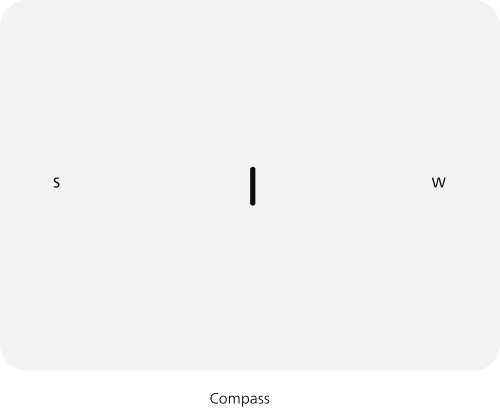
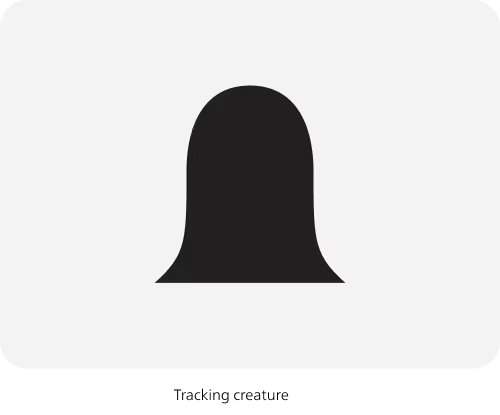
Three core elements anchor the experience. A compass offers a layer of orientation — present whether you know exactly where you're headed or you don't. The eye remains the focal point; the creature gives memory to where you've been.
Typography and Colors
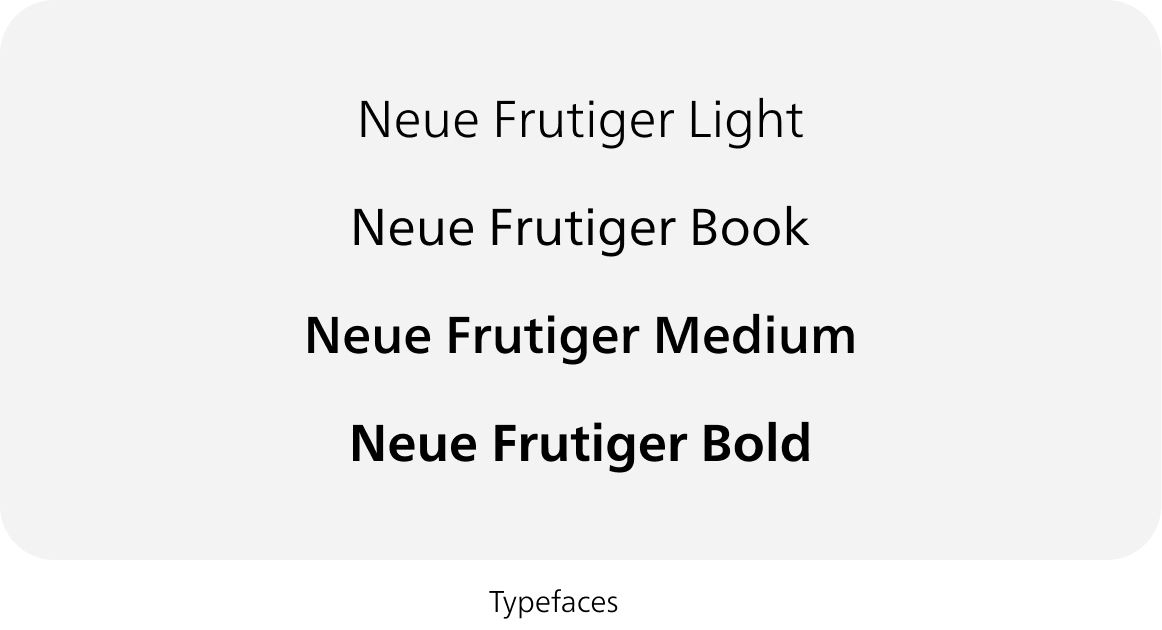
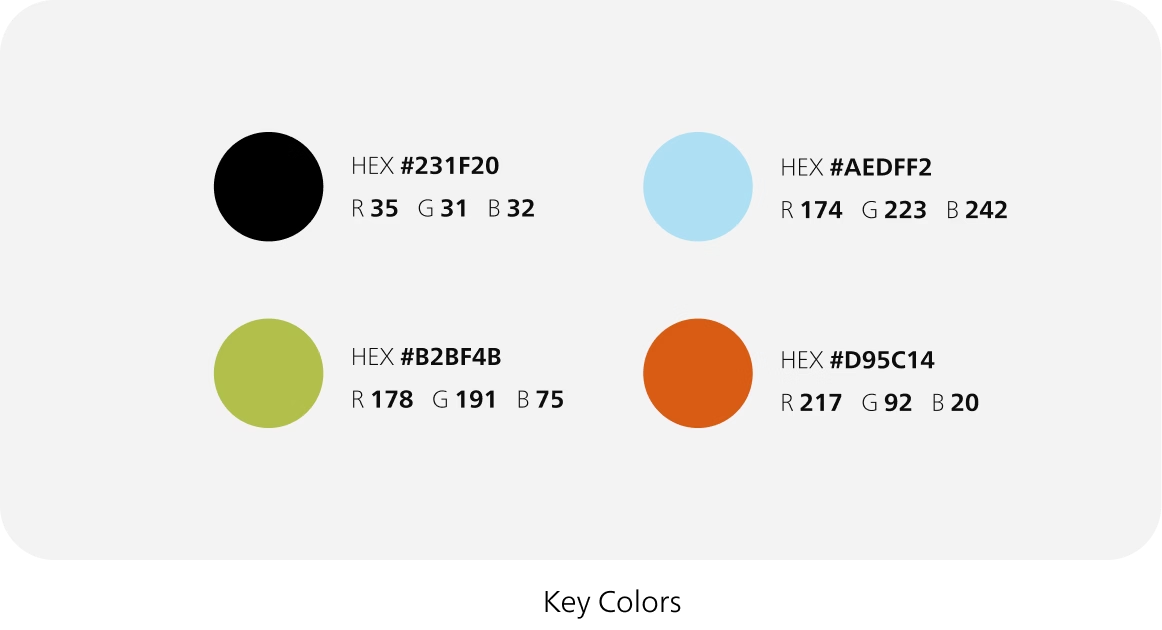
Spring Walk uses four weights of Neue Frutiger World — a functional, legible, and warm typeface. The color palette is built on black and white, keeping focus on the eye. The three accent colors — cold blue, mild green, hot orange — appear only when tracking a past drift.
User Flow
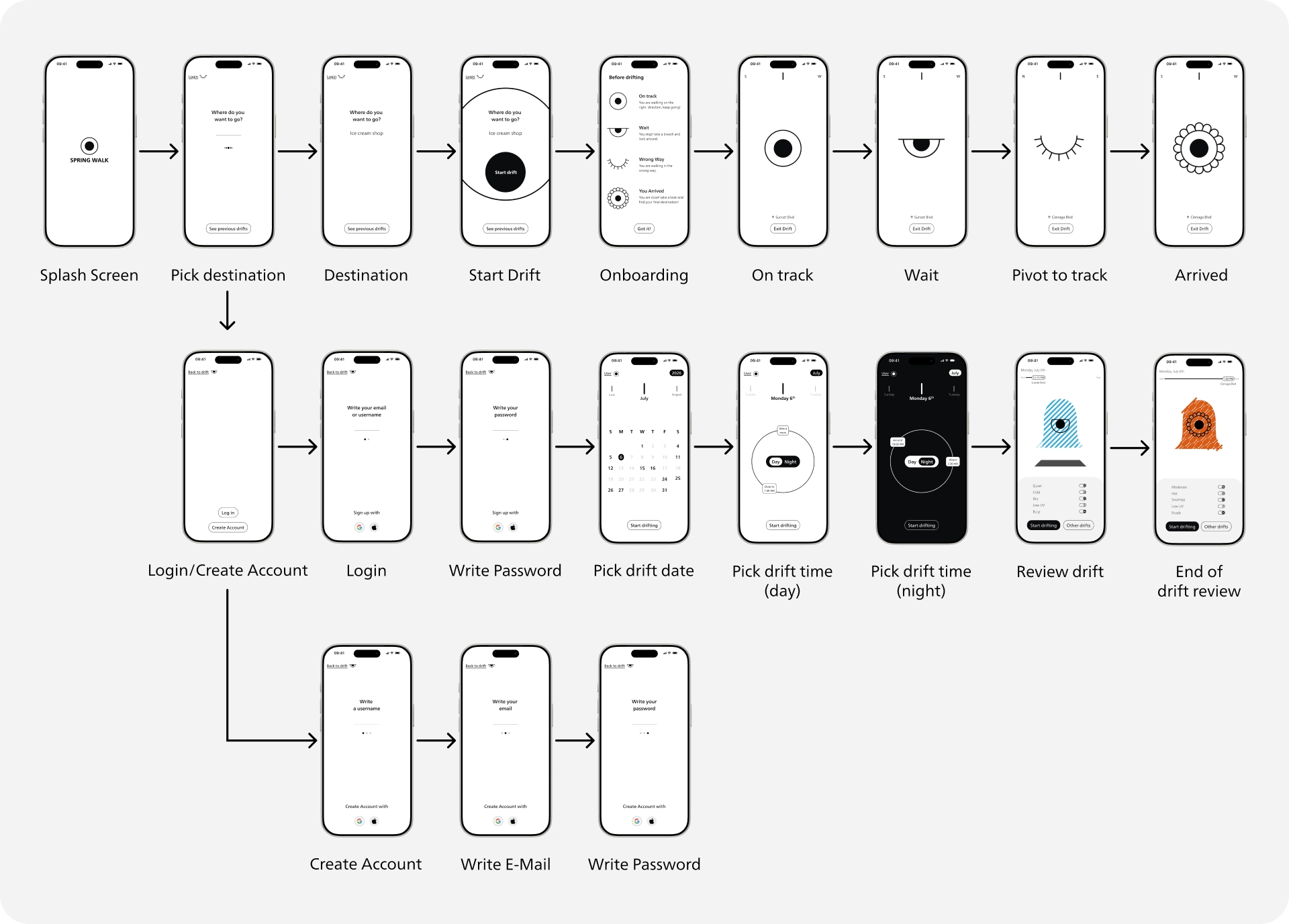
Spring Walk displays two main paths from the splash screen: start a drift either log in or not and revisit past drifts that require a log in.
Starting a drift
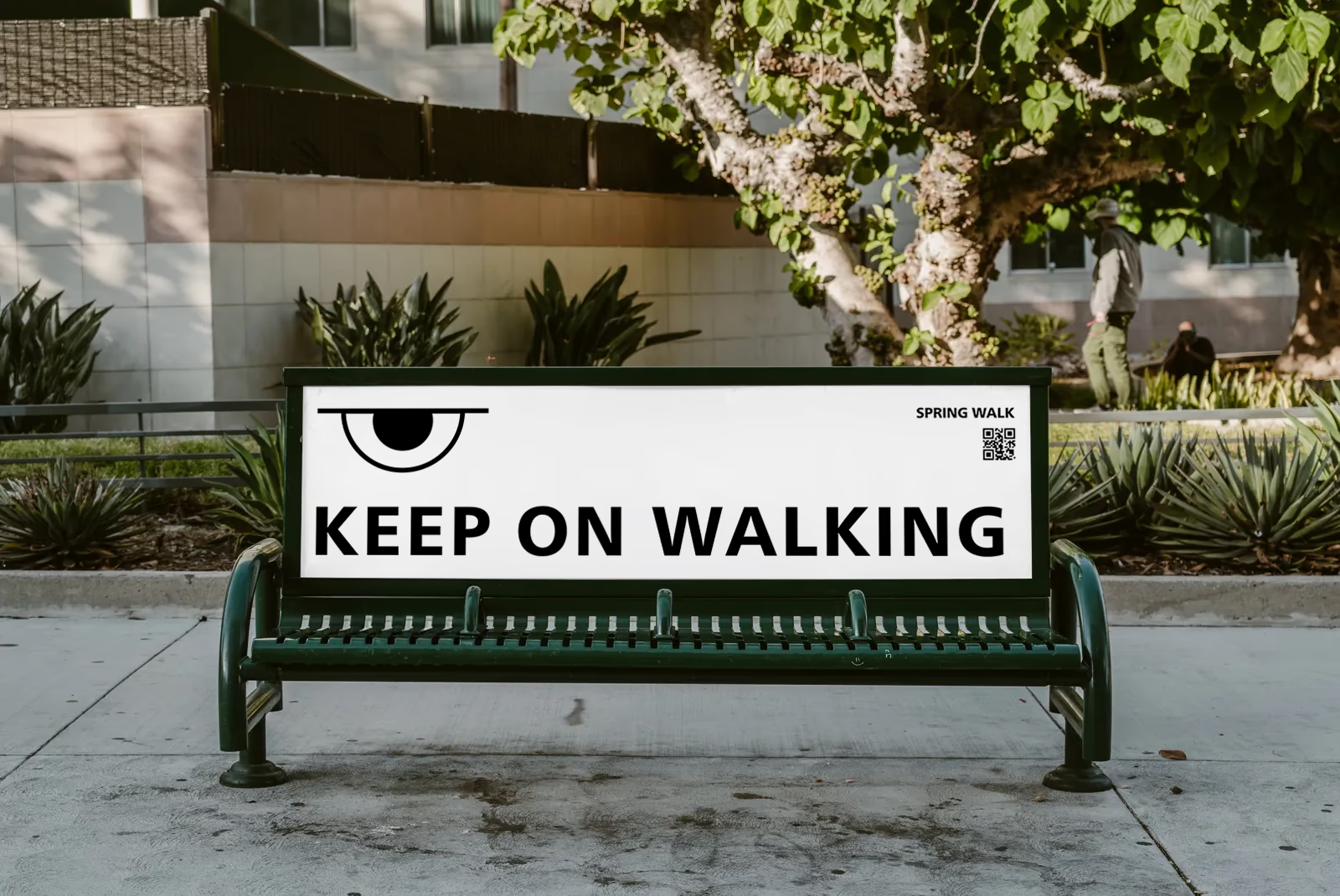
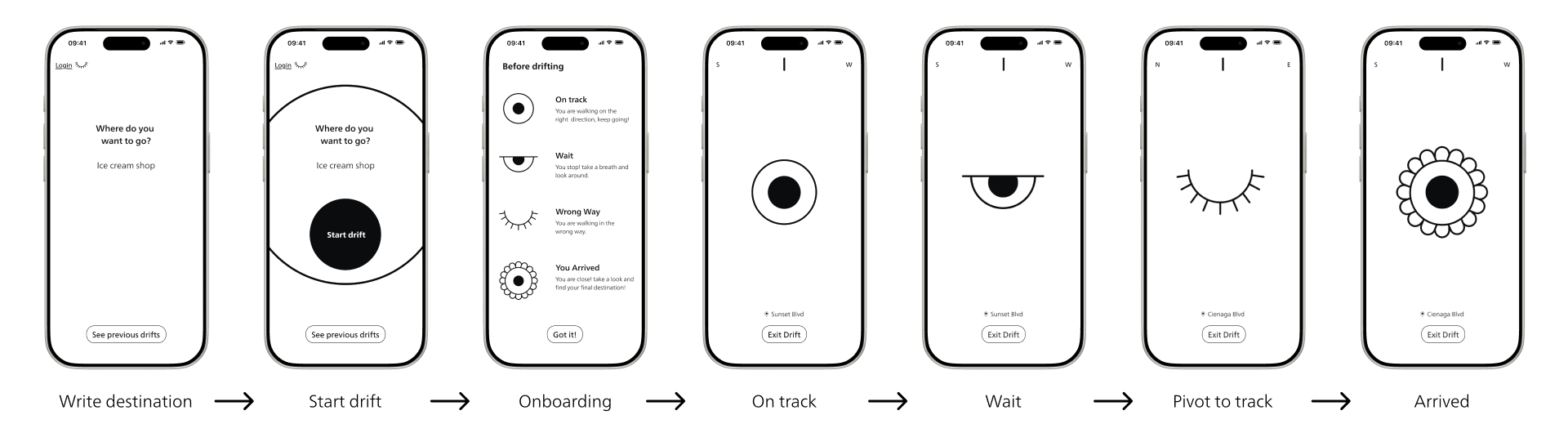
To start the user type in the destination—whether that’s a specific address or a general name. The app itself won’t feed algorithmic shortcuts or a step-by-step map. Instead, the user navigates by guessing the way forward based on a minimalist eye that opens, closes, and blooms. Each gesture gives a hint if the user is heading the right way, totally off track, or almost there, turning a routine walk into an open-ended exploration.
Tracking past drifts
One can look back at past drifts just by picking a specific date and either day time or night time.

Understanding drift data
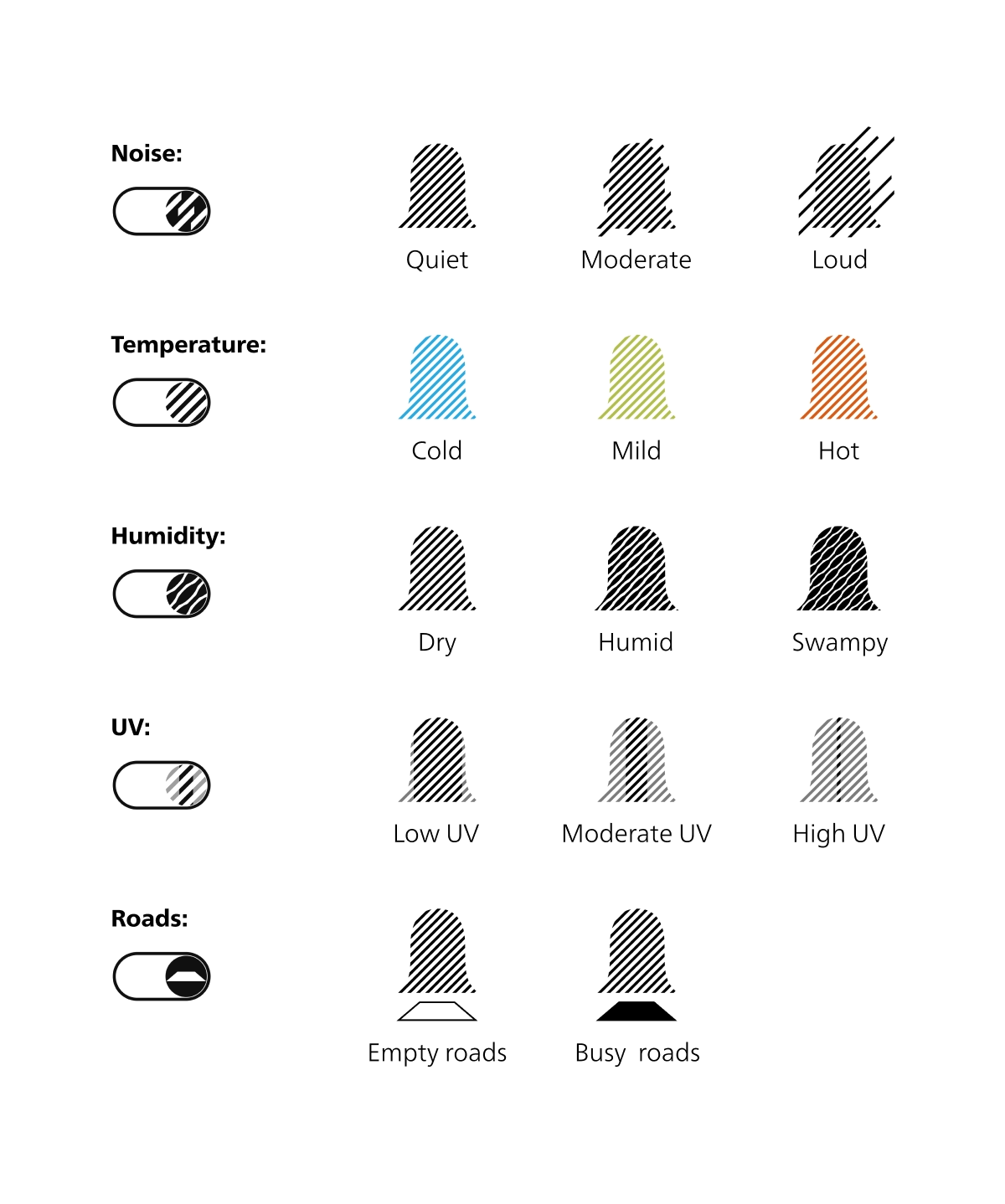
The app pulls the actual atmosphere of a previous drift into a little creature that morphs based on the environment. It shifts its shape and texture depending on the noise levels, weather, humidity, the types of roads, and the UV index.
Sharing your drifts
Every drift becomes a stamp for the place you walked. Put it on the photos you took there and share it wherever you like — your route, your timing, your conditions, sitting quietly in the corner of your own picture.